Target Skin Temperature 13.6 °C: Why Cryotherapy Duration Is Individual

In whole-body cryotherapy, a system's performance is usually described by the temperature of the chamber. Yet a different value determines the actual effect on the body: the skin temperature reached during the session. A study published in November 2024 in the Journal of Physiological Anthropology puts precisely this parameter at the centre – and shows why the session duration should be considered individually rather than as a fixed standard.
The study: 13.6 °C as a reference value
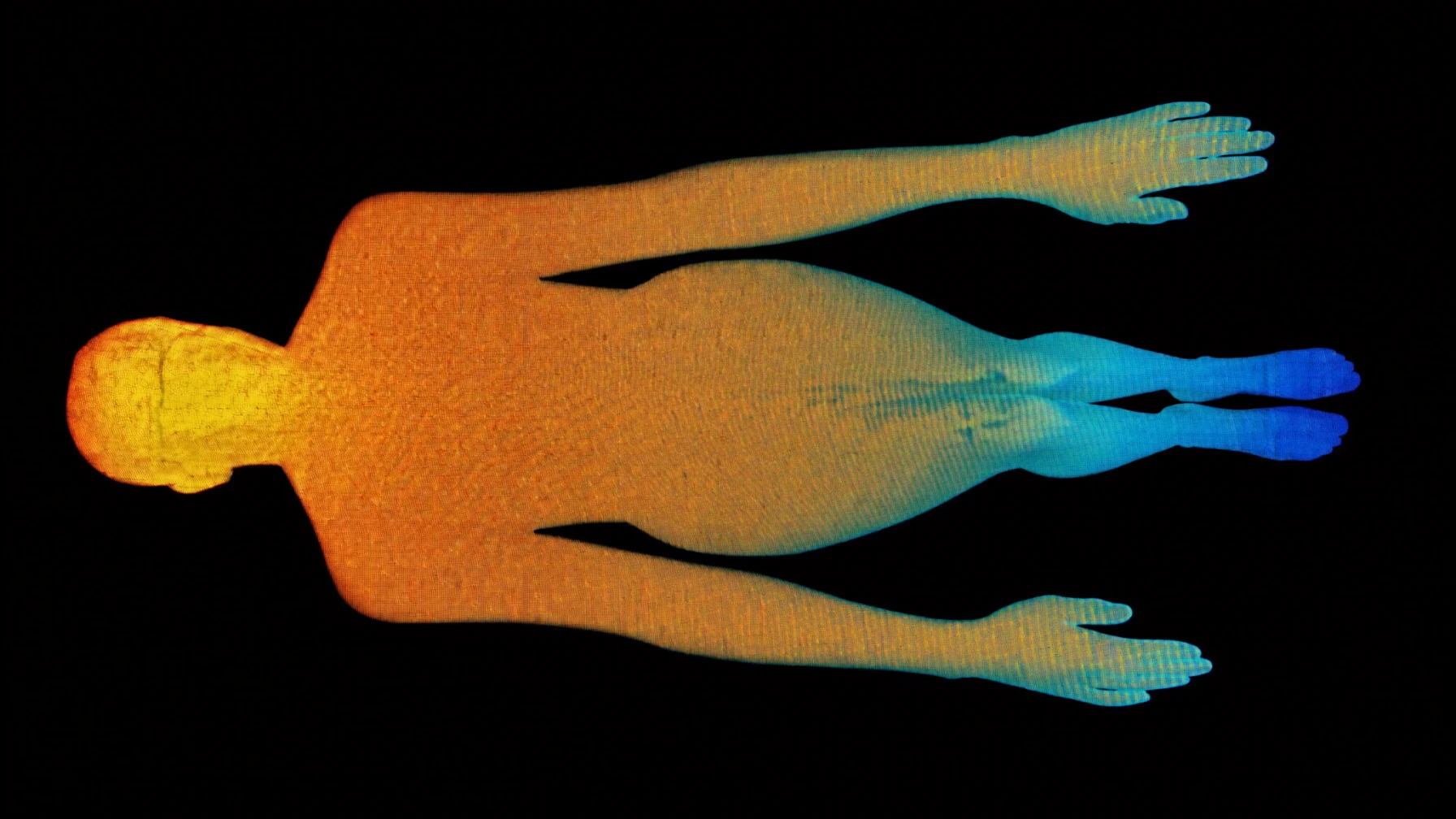
In a randomised cross-over trial, a research team led by Hela Jdidi, Claïre de Bisschop and Benoît Dugué examined how long it takes to reach a defined target skin temperature of 13.6 °C. Thirty healthy men were divided into two groups based on their body mass index: 15 normal-weight (BMI 21.5) and 15 overweight participants (BMI 28.0). Skin temperature was recorded with a thermal imaging camera across four body segments – trunk, arm, thigh and lower leg, each on the anterior and posterior side – and used to calculate mean skin temperature.
What the measurements showed
The difference between the groups was clear: normal-weight participants reached the target skin temperature after around 4 minutes, overweight participants after roughly 3 minutes 30 seconds. The difference correlates with body composition – a clear indication that a fixed standard duration does not suit every person equally.
Why skin temperature is the better reference point
The air temperature of a cryo chamber describes the environment, not the effect on the body. Skin temperature is the physiological value from which the cooling effect can actually be read. An important clarification: the 13.6 °C figure is a physiological reference value from a defined participant group – not a statement about the health effects of any particular product.
Individual dose instead of a blanket time
The authors conclude that the appropriate session duration may vary according to body composition. Subsequent work from the same research environment has since extended the question to factors such as sex and age (Temperature, 2025). The direction is clear: away from a blanket time setting and towards an individually controllable application.
What this means for operators
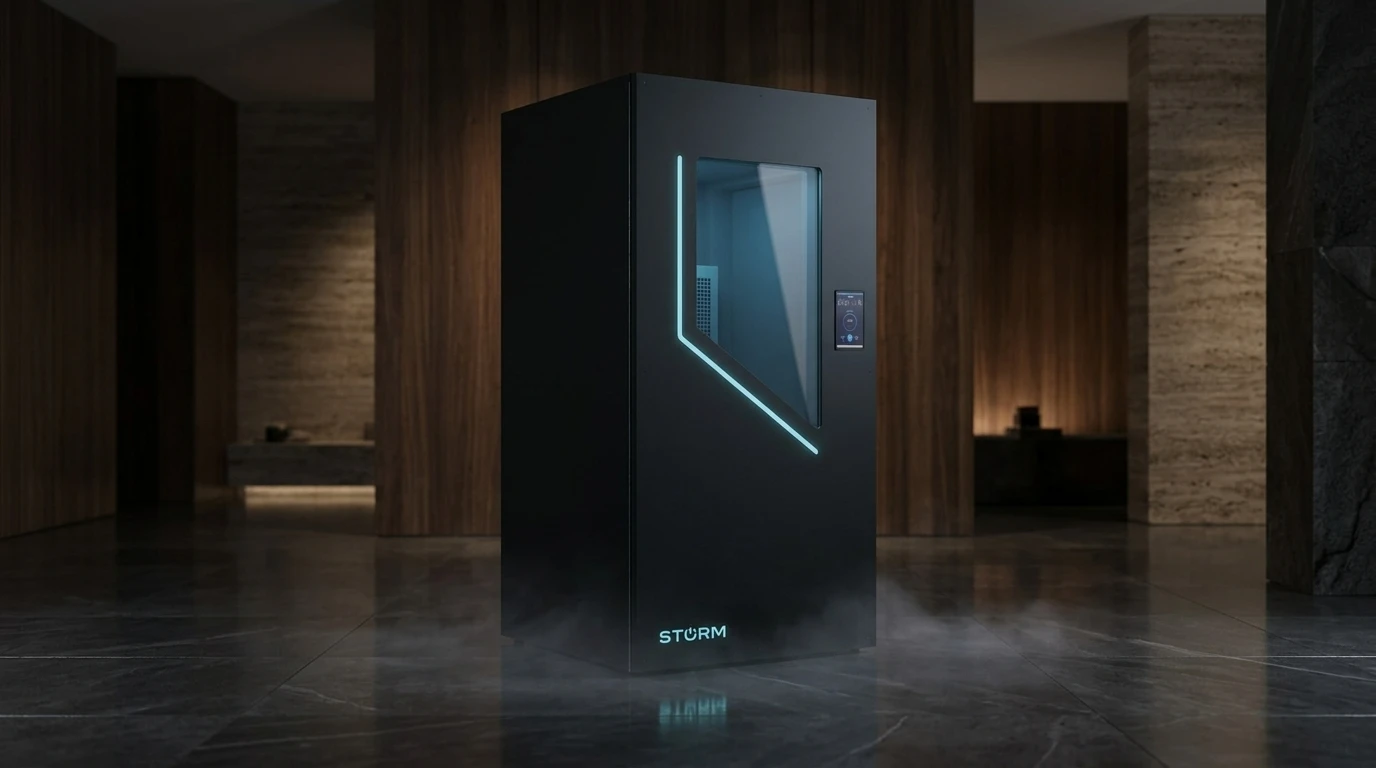
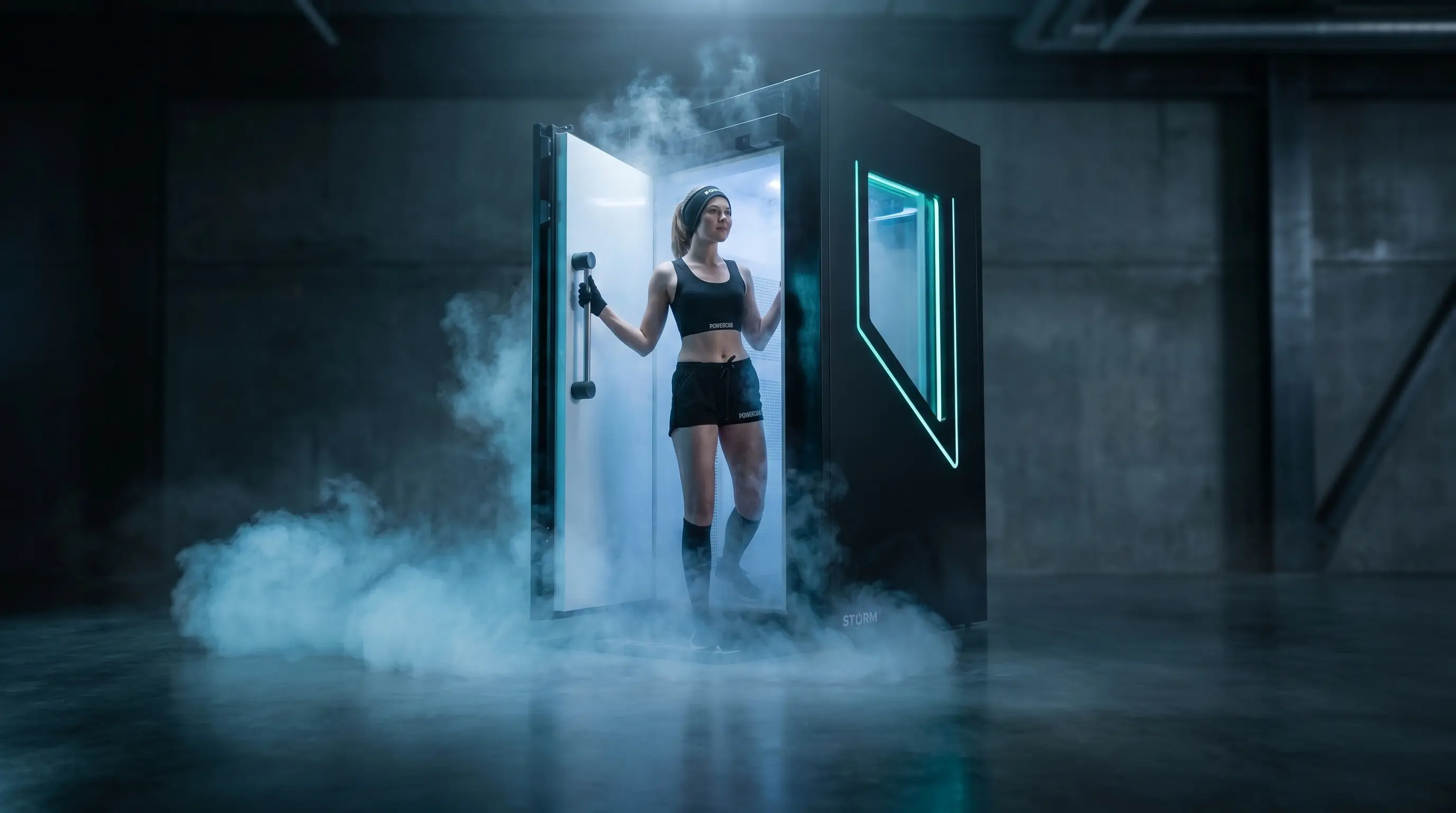
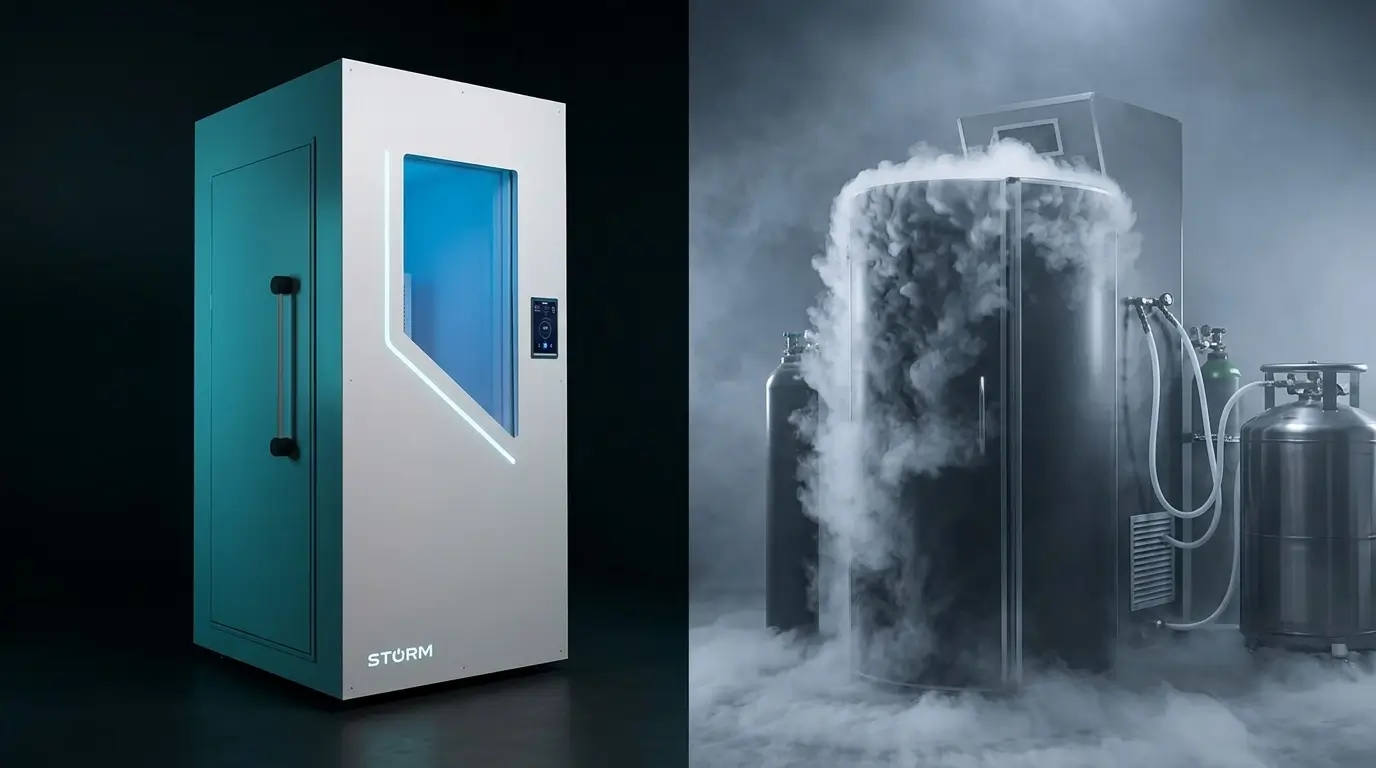
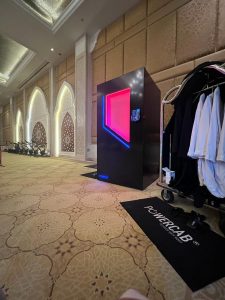
For studios, physiotherapy and wellness businesses, the study underlines the value of a precisely controllable application. A system that sets temperature and duration reliably and reproducibly makes it possible to tailor the session to the person rather than to a fixed reference figure. As an electric whole-body cryo chamber with app-controlled programmes, the POWERCAB is designed for exactly this – reproducible settings, Made in Germany.
Conclusion
It is not the number on the display that decides whether a cold application succeeds, but the skin temperature actually reached – and that depends on the person. With the 13.6 °C figure, the study by Jdidi and colleagues provides a concrete, measurable reference point and a strong argument for individually controllable systems.
Sources
- Jdidi H, de Bisschop C, Dugué B et al. (2024): Optimal duration of whole-body cryostimulation exposure to achieve target skin temperature: influence of body mass index – a randomized cross-over controlled trial. Journal of Physiological Anthropology 43:28. DOI
- Jdidi H, Dugué B, de Bisschop C et al. (2025): Optimizing whole-body cryostimulation exposure duration: effects of age, sex, and body mass index in achieving target skin temperature. Temperature 12(3). DOI
blogs/news